Flower Bed Creation in Hammersmith: Practical Ideas for Beautiful Outdoor Spaces
Flower bed creation in Hammersmith is one of the most effective ways to transform a garden, front yard, courtyard, or shared outdoor space into something vibrant, welcoming, and low-maintenance. Whether you live near the river, on a terraced street, or in a compact urban garden, a thoughtfully planned flower bed can bring structure, seasonal colour, and long-lasting visual appeal. In a busy London neighbourhood like Hammersmith, outdoor space is valuable, and every planting decision matters.
Well-designed flower bed creation in Hammersmith is not just about adding plants. It is about understanding the site, choosing the right layout, preparing healthy soil, and selecting plants that will thrive in local conditions. With the right approach, even a small bed can become a standout feature that boosts kerb appeal and supports biodiversity. Smart planning, seasonal planting, and good maintenance are the foundations of success.
From classic cottage-style borders to sleek modern planting schemes, flower bed creation in Hammersmith can suit every taste and property style. This article explores design choices, soil preparation, plant selection, maintenance tips, and the practical steps that help create flower beds that look great throughout the year.
Why Flower Bed Creation in Hammersmith Matters

Flower bed creation in Hammersmith has become increasingly popular because it offers a simple, attractive way to improve outdoor spaces without needing major landscaping work. In densely built urban areas, a well-planted bed can soften hard edges, create privacy, and make an outdoor area feel more alive. For homeowners, landlords, and businesses, flower beds are also a useful way to raise the visual quality of an entrance or frontage.
Another reason flower bed creation in Hammersmith is so valuable is that it can be tailored to almost any size or budget. A narrow border along a fence, a raised bed beside a patio, or a larger mixed planting scheme can all deliver strong results. With the right design, the bed can look attractive in spring, summer, autumn, and even winter.
There is also a growing interest in pollinator-friendly planting and more sustainable garden design. Flower bed creation in Hammersmith can support bees, butterflies, and other beneficial wildlife when the right species are chosen. This makes the space more than decorative; it becomes part of a healthier local environment.
Planning the Perfect Flower Bed
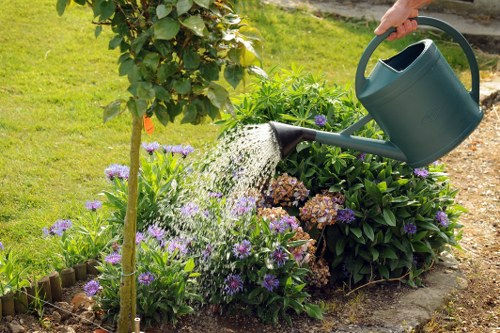
Successful flower bed creation in Hammersmith starts with a clear plan. Before digging or buying plants, it is important to observe the space carefully. Look at how much sun the bed receives, where water tends to collect, and whether the area is sheltered or exposed to wind. These details affect every choice that follows.
Consider the purpose of the bed. Is it meant to frame a front garden, brighten a patio, divide a seating area, or add colour beside a driveway? The purpose influences the shape, size, and planting style. A formal front bed may need neat lines and structured planting, while a relaxed rear garden border may suit a more natural, layered look.
It is also wise to think about maintenance from the beginning. Flower bed creation in Hammersmith should reflect how much time you want to spend watering, deadheading, pruning, and replanting. A low-maintenance scheme can still be beautiful if it relies on hardy perennials, compact shrubs, and drought-tolerant species.
Site Assessment and Soil Conditions
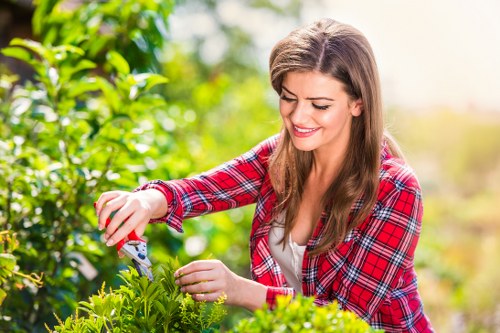
One of the most important parts of flower bed creation in Hammersmith is checking the soil. London gardens often have a mix of clay, compacted ground, builders’ rubble, or nutrient-poor topsoil. If the soil is poor, plants may struggle to establish roots, absorb water, or access nutrients.
A simple soil assessment can reveal whether the bed drains well or stays wet after rain. If water pools for too long, the soil may need improvement with compost, grit, or organic matter. If the soil is too dry or sandy, adding mulch and well-rotted compost can help it retain moisture. In many cases, flower bed creation in Hammersmith benefits from soil enrichment before planting begins.
It is also useful to test the pH if you want to grow specific plants. While many bedding plants are adaptable, some shrubs and flowering species prefer slightly acidic or alkaline conditions. Understanding the soil profile reduces planting failure and helps create a healthier, more resilient display.
Key site questions to ask
- How many hours of direct sunlight does the bed receive?
- Is the space exposed to strong wind or street traffic?
- Does water drain quickly or remain in the soil?
- Are there tree roots, paving edges, or underground obstacles?
- Will the bed need to look attractive all year round?
Design Ideas for Flower Bed Creation in Hammersmith

There are many styles to consider when planning flower bed creation in Hammersmith. The best design is one that suits the architecture of the property and the way the outdoor space is used. For example, a Victorian terrace may look wonderful with a traditional border full of soft colours and layered blooms, while a modern townhouse may suit a cleaner, more minimalist arrangement.
Raised beds are especially practical in urban gardens. They improve drainage, make planting easier, and help define the space. Flower bed creation in Hammersmith often uses raised structures to create a focal point in courtyards, patios, or small front gardens. They are also ideal for people who prefer less bending and easier maintenance.
Curved beds can soften a rectangular garden and create a more natural flow, while straight-edged beds give a crisp, formal appearance. Some gardens benefit from a combination of both. When flower bed creation in Hammersmith is designed thoughtfully, the bed becomes a unifying feature rather than a standalone element.
Popular design approaches
- Mixed perennial borders for long-lasting seasonal colour.
- Formal edging for tidy front gardens and entrances.
- Wildlife-friendly beds with nectar-rich flowers.
- Container-integrated beds for small spaces and courtyards.
- Layered planting schemes with ground cover, mid-height plants, and taller feature species.
Choosing Plants for Hammersmith Conditions

Plant selection is central to flower bed creation in Hammersmith. The best plants are those that suit the site, the soil, and the look you want to achieve. Because urban gardens can be warmer, more sheltered, or sometimes more shaded than rural spaces, plant choices should be flexible and realistic.
For sunny beds, options such as lavender, salvias, rudbeckia, echinacea, and ornamental grasses can provide texture and colour with relatively low maintenance. In partially shaded areas, ferns, hellebores, astilbes, hostas, and begonias may perform better. Flower bed creation in Hammersmith often works best when it mixes structural plants with seasonal bloomers.
It is also helpful to think about flowering times. A successful bed should not peak for only a few weeks. Instead, it should offer something interesting from early spring through late autumn, and ideally some winter structure too. This is why many gardeners combine bulbs, perennials, evergreen foliage, and annual bedding plants in the same scheme.
Planting for year-round interest
To keep flower bed creation in Hammersmith visually engaging across the seasons, include plants that play different roles throughout the year:
- Spring bulbs such as tulips, daffodils, and crocuses for early colour.
- Summer perennials like delphiniums, geraniums, and verbena for abundant bloom.
- Autumn performers such as asters, sedum, and Japanese anemones for late-season impact.
- Evergreen structure from box, hebe, pittosporum, or small conifers.
- Ground cover to suppress weeds and keep the bed looking full.
When building a planting scheme, consider height, spread, texture, and colour harmony. Too many strong colours can make a bed feel busy, while a carefully coordinated palette feels calm and polished. Flower bed creation in Hammersmith often benefits from repeating a few key colours across the bed to create cohesion. For example, white, purple, and silver can look elegant, while hot pinks, oranges, and reds create energy and warmth.
Balance matters. A good bed should have taller features at the back or centre, medium-height plants in the middle, and lower growers near the front edge. This layered effect gives depth and helps each plant stand out. It also improves visibility, so the bed looks attractive from different angles. If you want to create a striking feature, use repeated focal plants rather than filling every gap with different species.
At the practical level, flower bed creation in Hammersmith should also account for root growth and mature spread. Plants that look small in the nursery may expand significantly over time, so spacing is important. Crowded beds can lead to poor air circulation, more disease, and weaker flowering. Leaving enough room for plants to develop is a long-term investment in appearance and plant health.
Preparing the Ground Properly
Preparation is where many successful flower beds begin. Flower bed creation in Hammersmith is much more likely to thrive if the ground is cleared, improved, and shaped before planting. Start by removing weeds, old roots, stones, and debris. If the area is heavily overgrown, this stage may take time, but it is worth the effort.
Next, loosen compacted soil with a fork or spade. Adding organic matter such as compost or well-rotted manure improves soil structure, boosts fertility, and supports healthier root development. For raised beds, a good-quality topsoil and compost blend can create an excellent growing environment from the start.
Edging is another important detail. Neat edges give flower bed creation in Hammersmith a finished look and make ongoing maintenance easier. Brick, timber, steel, or stone edging can help define the shape of the bed, prevent soil from spilling onto paths, and create a clearer visual boundary.
Preparation steps to follow
- Clear the area of weeds and waste material.
- Improve the soil with compost or organic matter.
- Check drainage and adjust if needed.
- Set the bed shape with a clean edge.
- Plan plant positions before digging holes.
Seasonal Flower Bed Creation in Hammersmith
Seasonal planning adds depth and variety to flower bed creation in Hammersmith. Rather than relying on one burst of flowers, a seasonal approach keeps the bed looking fresh all year. Spring may focus on bulbs and early perennials, summer on bold flowering plants, autumn on texture and richness, and winter on evergreens and architectural stems.
For spring, bright and cheerful planting can lift the whole garden after the darker months. Summer is the time to use full, layered colour with generous blooms. Autumn beds often look best with warm tones, seed heads, and plants that hold shape as the weather cools. In winter, even a modest flower bed can remain appealing if it includes evergreen foliage, grasses, or shrubs with interesting forms.
This seasonal thinking is especially valuable in Hammersmith, where gardens are often visible from inside the home. A bed that changes through the year keeps the view interesting and makes the property feel cared for. It also makes flower bed creation in Hammersmith more rewarding because the space never feels static.
Maintenance through the seasons
To keep a flower bed healthy and attractive, use a seasonal maintenance routine:
- Remove weeds regularly before they spread.
- Water newly planted beds deeply until established.
- Deadhead flowers to encourage more blooms.
- Apply mulch to protect the soil and reduce evaporation.
- Cut back tired growth at the right time of year.
Mulching deserves special attention in flower bed creation in Hammersmith. A layer of bark chips, compost, or leaf mould helps retain moisture, suppress weeds, and improve soil quality over time. In busy urban areas, mulch can also give the bed a neat, professionally finished appearance. Applying it after planting is often one of the simplest ways to improve both function and presentation.
Watering strategy matters too. Newly planted flower beds need regular watering until roots establish, especially during dry spells. Later, many well-chosen plants become more resilient and need less frequent watering. Using drought-tolerant varieties where possible can reduce maintenance and make the bed more sustainable. This is one reason flower bed creation in Hammersmith often blends beauty with practicality.
It is also worth thinking about long-term plant care. Some perennials need dividing every few years to stay vigorous, while shrubs may need shaping to prevent overcrowding. If the bed includes bulbs, these should be planted at the correct depth and left in place where appropriate. With the right routine, flower bed creation in Hammersmith can stay healthy for many seasons without requiring constant replanting.
Low-Maintenance Flower Bed Ideas
Not every garden owner wants a high-maintenance planting scheme. Fortunately, flower bed creation in Hammersmith can be both stylish and easy to care for. The key is choosing dependable plants, reducing bare soil, and designing in a way that limits future work. This approach is ideal for homeowners with busy schedules, rental properties, or smaller urban plots.
Low-maintenance beds often rely on a strong structure of evergreens, hardy perennials, ornamental grasses, and ground cover plants. These species help the bed look full without constant replanting. They also reduce weed growth by covering the soil more effectively. Flower bed creation in Hammersmith becomes much easier when the planting does most of the work.
Simple repetition can also reduce maintenance. If the same plant is used in several places, the bed feels coordinated and is easier to care for. A limited palette of materials, such as one edging style and a few plant families, can create a refined result that still feels varied and rich.
Good low-maintenance plant choices
- Lavender
- Geraniums
- Heuchera
- Salvia
- Hebe
- Sedum
- Ornamental grasses
- Euonymus
Common Challenges in Hammersmith Gardens
Flower bed creation in Hammersmith can involve a few common challenges, especially in urban gardens. Limited space is one of the biggest. Small front gardens, narrow side returns, and paved courtyards require clever design to avoid overcrowding. In these situations, vertical interest, raised beds, and compact planting can make a big difference.
Shade is another frequent issue. Nearby buildings, fences, or trees may block sunlight for parts of the day. Rather than forcing sun-loving plants into unsuitable conditions, it is better to embrace shade-tolerant varieties. This makes flower bed creation in Hammersmith more successful and reduces the risk of weak growth or poor flowering.
Air pollution, dry sheltered spots, and reflected heat from paving can also affect plant performance. Choosing resilient species and improving the soil with compost can help the bed cope with stress. In some cases, installing drip irrigation or using deep mulch can improve moisture retention and reduce plant decline during warmer months.
How to avoid common mistakes
- Do not overcrowd the bed with too many varieties.
- Do not ignore soil improvement before planting.
- Do not choose plants that need completely different conditions.
- Do not forget edging and weed control.
- Do not overlook maintenance once the bed is established.
Adding Style and Personality
Flower bed creation in Hammersmith is also an opportunity to express style. Some people want a soft, romantic look with pastel flowers and gentle shapes. Others prefer a sharp, modern scheme with sculptural foliage and bold repetition. Both can work beautifully if the design is consistent.
Accessories and hard landscaping can strengthen the overall effect. Decorative stones, stepping areas, low lighting, and matching pots can help link the flower bed to the rest of the garden. A simple bed can look more complete when paired with a clean path edge or a painted fence backdrop. The bed then becomes part of a larger outdoor composition rather than an isolated planting strip.
Colour psychology can also influence the atmosphere. Cool blues and whites create calm, while reds and oranges feel energetic. Greens and silvers soften the space, and mixed jewel tones can add richness. Flower bed creation in Hammersmith works best when the colours support the mood you want for the space.
Why Professional-Looking Results Make a Difference
There is a noticeable difference between a bed that has simply been planted and one that has been thoughtfully designed. Professional-looking flower bed creation in Hammersmith usually combines structure, proportion, healthy soil, and a coherent planting plan. These elements create a finished result that feels intentional and enduring.
Good flower bed creation in Hammersmith also improves the way a property is experienced from the street or garden. It can make an entrance feel more welcoming, a patio more relaxing, and a small outdoor area more valuable. For many households, this makes the investment worthwhile not only in visual terms but also in everyday enjoyment.
If you want a flower bed that looks attractive, functions well, and suits the character of your property, the most important thing is to start with a clear plan and choose planting that fits the environment. From there, regular care and a little seasonal attention can keep the display thriving. Book your service now if you are ready to take the next step toward a more beautiful outdoor space.
Final thoughts
Flower bed creation in Hammersmith can be as simple or as detailed as you want it to be, but the best results always come from careful planning and good planting choices. With the right soil preparation, plant selection, and maintenance routine, even a modest garden can become a vibrant, welcoming feature. Whether your goal is a classic border, a modern raised bed, or a wildlife-friendly planting scheme, the possibilities are broad and rewarding.
If you are looking to improve your garden’s appearance, support local wildlife, and enjoy a more colourful outdoor space, now is the perfect time to act. Contact us today to begin planning a flower bed that brings lasting beauty to your Hammersmith property.

